

Audit-ready financial reporting
Demonstrate that the controls supporting your customers' financial reporting are designed and operating effectively. Thoropass combines readiness, evidence collection, and audit into one connected experience, helping you streamline every step from scoping to your final report.
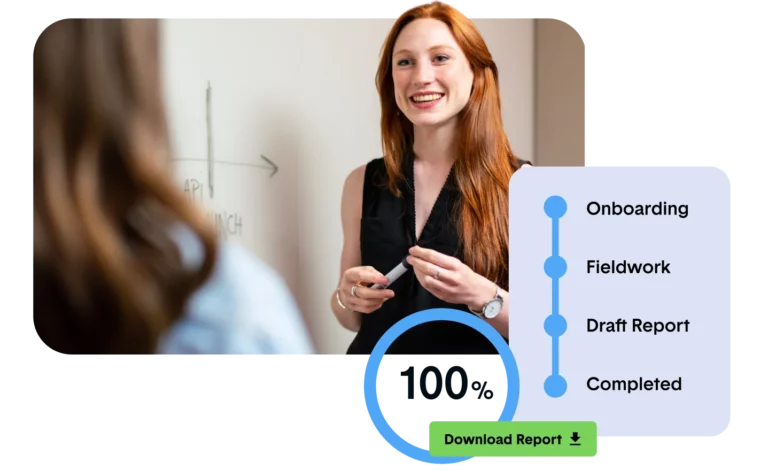
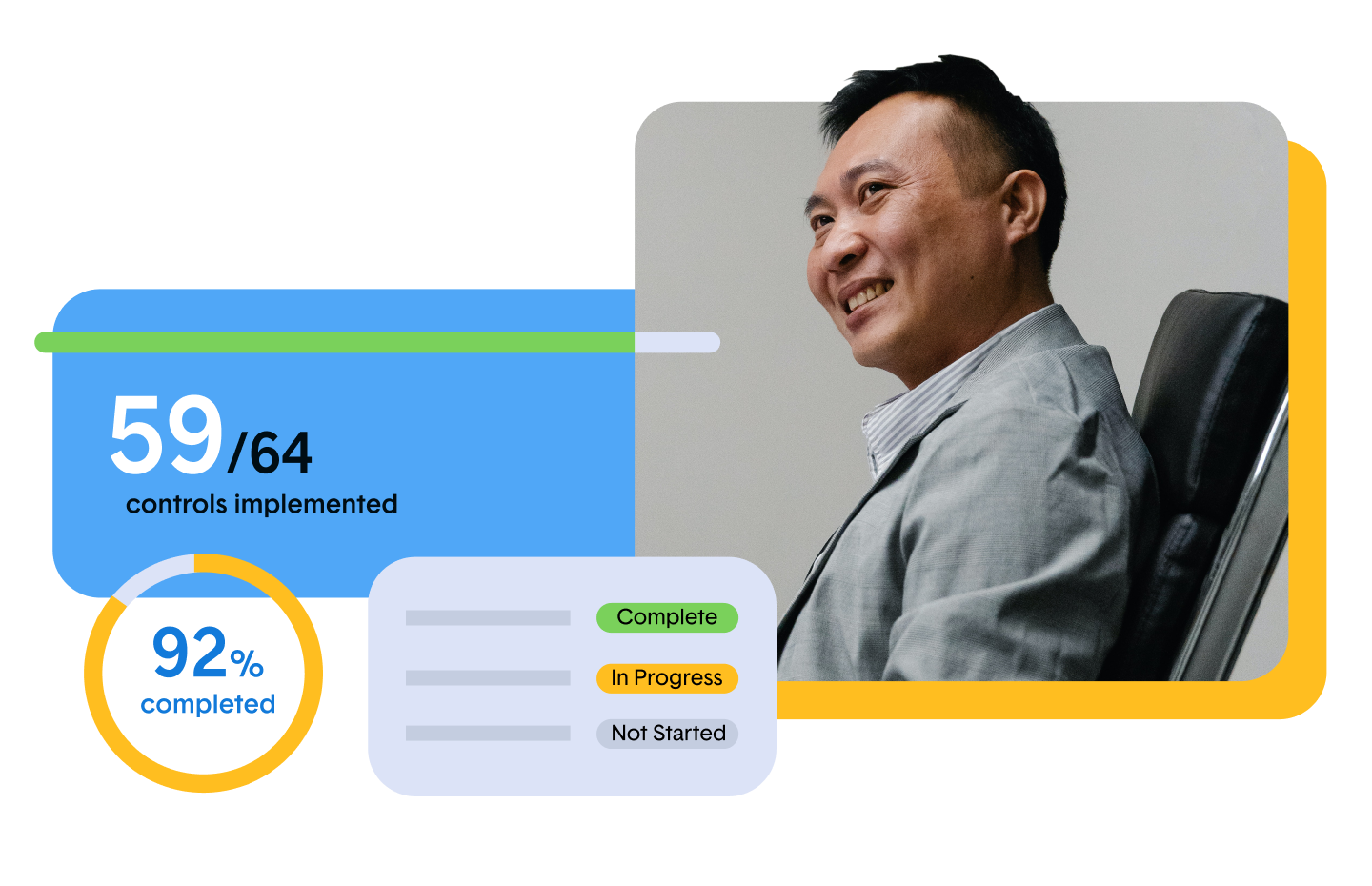
Start with the right scope.
Every SOC 1 engagement begins with understanding how your services impact your customers' financial reporting. Our auditors help define the right scope, identify in-scope systems and controls, and build a roadmap that aligns with your business from day one.
From readiness to report. One SOC 1 experience.
Thoropass brings readiness, evidence collection, and audit together in one connected experience, combining expert auditors with an AI-powered Audit Lifecycle Platform. Everything stays connected, so your audit moves faster, with fewer surprises and less manual work.

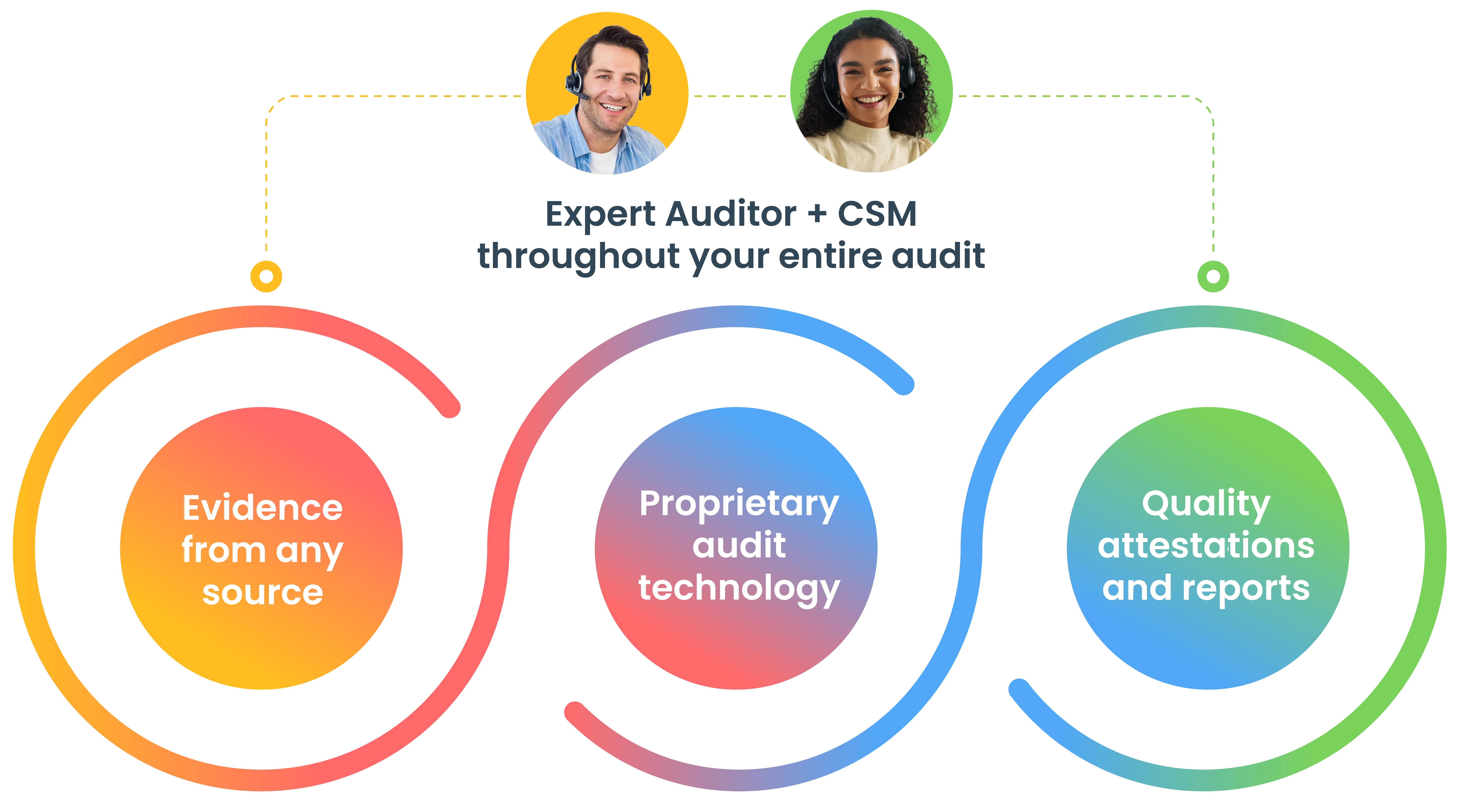
Evidence that arrives audit-ready.
Whether your evidence comes from Thoropass, another GRC, or a spreadsheet, Smart Sort AI automatically maps it to the right audit requests, helping your auditor review faster and reducing manual effort.
Start with SOC 1. Scale from there.
As your compliance program grows, your work shouldn't multiply. Reuse controls and evidence across SOC 2, HIPAA, ISO 27001, and additional frameworks to reduce duplicate effort and manage everything in one platform.


Our users agree—there's a better way to do audits.

You don't just have to take our word for it. Over 400 reviews on G2 back up that Thoropass makes audits simpler and drives better outcomes.
Start your journey with Thoropass
Streamline your operations and build trust with customers by working toward
SOC 1 compliance with Thoropass.
Frequently asked questions
.svg)

What is a SOC 1 audit?
A SOC 1 audit evaluates controls at a service organization that may affect its customers’ financial reporting. It is commonly requested when a company provides services that can influence financial transactions, financial data, payroll, billing, claims processing, loan servicing, or other business processes tied to customer financial statements.
Who needs a SOC 1 audit?
Organizations may need a SOC 1 audit when their services affect a customer’s financial reporting or internal controls over financial reporting. This often includes fintech companies, payroll providers, payment processors, benefits administrators, loan servicing platforms, data processors, and other service organizations that support financial operations for customers.
What is the difference between SOC 1 Type I and SOC 1 Type II?
A SOC 1 Type I audit evaluates whether controls are suitably designed at a specific point in time. A SOC 1 Type II audit evaluates both control design and operating effectiveness over a review period, often three to 12 months.
What is the difference between SOC 1 and SOC 2?
SOC 1 focuses on controls that may affect customers’ financial reporting. SOC 2 focuses on controls related to security, availability, processing integrity, confidentiality, and privacy. Customers usually request SOC 1 when they need assurance tied to financial reporting, and SOC 2 when they need assurance tied to how systems and data are protected.
What are controls in a SOC 1 audit?
Controls are the policies, procedures, systems, and activities your organization uses to reduce risk and support reliable service delivery. In a SOC 1 audit, controls are evaluated based on how they support the control objectives included in the audit scope.
How long does a SOC 1 audit take?
SOC 1 audit timelines vary based on audit scope, control complexity, evidence readiness, number of stakeholders, and whether you are pursuing a Type I or Type II report. Thoropass helps make the process more predictable by defining scope early, organizing requests and evidence in one audit lifecycle platform, and guiding the engagement through final report delivery.
What are the benefits of working with a SOC 1 auditor like Thoropass?
Thoropass brings experienced SOC 1 auditors, a structured audit process, and an audit lifecycle platform together in one connected experience. That helps your team reduce manual coordination, improve visibility, respond to evidence requests more efficiently, and move toward the final SOC 1 report with greater confidence.
Certifications:





.png)
Laika Compliance, LLC dba Thoropass Assurance is a licensed certified public accounting firm registered with the American Institute of Certified Public Accountants (AICPA). Thoropass, Inc. dba Thoropass is a leading cybersecurity and compliance professional services and technology firm.
© Copyright 2026 Thoropass, Inc.